
The Art of Asking Better Questions: How Reflection Can Change the Way We See Our Lives
When life feels uncertain, the instinct is often to look for an answer. But occasionally, the more meaningful starting point is a better question. Psychic Deborah Graham approaches intuitive guidance with an emphasis on exploring the concerns, patterns, and possibilities that shape the way people understand their lives.
A thoughtful question does not necessarily provide an immediate solution. Instead, it can create space to examine what we want, what we fear, what we may be overlooking, and what matters most before making a decision.
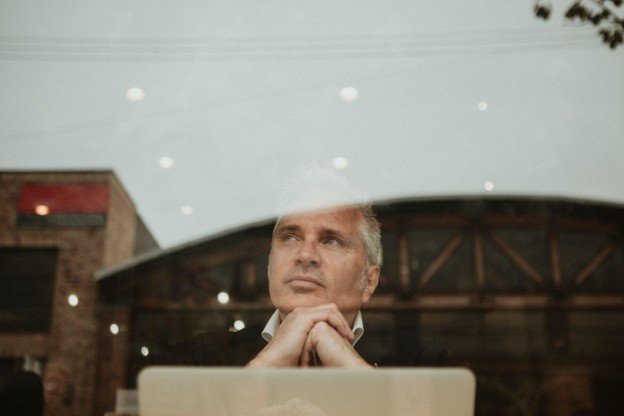
Why Do Better Questions Matter?
The questions people ask often reveal what is happening beneath the surface.
Someone asking whether a relationship will last may actually be wondering whether the relationship feels healthy. Someone asking whether a career change is coming may be trying to understand whether the current path still feels meaningful. A question about the future can sometimes point back to a concern about the present.
That distinction matters because reflection can shift attention from simply waiting for an outcome to understanding the choices and circumstances surrounding it.
Better questions often ask:
● What am I really uncertain about?
● What pattern keeps appearing in this situation?
● What do I want to change?
● What am I afraid might happen?
● Which possibilities have I not considered?
These questions do not predict what comes next. They encourage a closer look at what is already influencing the present.
How Can Questions Reveal What We Already Know?
People can become so immersed in a situation that their own perspective becomes difficult to recognize.
Emotions, expectations, past experiences, and other people's opinions can all influence how a situation is interpreted. Taking a step back can make it easier to distinguish between what someone genuinely wants and what they feel they are supposed to want.
This is one reason reflective practices can be useful. Journaling, meditation, meaningful conversations, spiritual practices, and intuitive readings can all provide different ways of slowing down and examining a question.
The value may not always come from receiving a definitive answer. It can come from having an opportunity to consider the situation from a different perspective.
Is Intuition the Same as Impulse?
Intuition is often discussed as a feeling or inner sense that appears without a lengthy process of conscious reasoning. But intuition and impulse are not necessarily the same thing.
An impulse can be immediate and emotionally charged. Intuition, as people commonly describe it, may feel quieter and more consistent. Learning to recognize that difference can take reflection and self-awareness.
Instead of automatically acting on a strong feeling, it can help to ask:
What is this feeling telling me, and what else might be influencing it?
That additional question creates room for curiosity rather than certainty. It allows people to acknowledge an instinct while still considering evidence, circumstances, and consequences.
What Role Does Reflection Play During Major Life Changes?
Transitions naturally generate questions.
Relationships change. Careers evolve. Families grow. Priorities shift. A decision that once seemed obvious can suddenly require reconsideration.
During these moments, people may seek different forms of guidance. Some turn to trusted friends or professionals. Others use meditation, spiritual traditions, journaling, or intuitive practices to explore what they are experiencing.
The important distinction is that reflection does not have to eliminate uncertainty to be useful.
Sometimes, becoming clearer about your values, concerns, and priorities is enough to approach a decision differently.
Can Asking Better Questions Change a Perspective?
Consider the difference between asking, “Will this work out?” and asking, “What would make this situation work better for me?”
The first question focuses primarily on an outcome. The second introduces personal agency.
Similarly, “Will I find the right relationship?” can become “What qualities and patterns do I want to recognize in a healthy relationship?”
A career question can move from “Am I supposed to change careers?” toward “What do I want my work to contribute to my life?”
The questions do not guarantee different outcomes. They simply create a different framework for thinking about them.
Why Does Uncertainty Deserve More Attention?
Modern life often creates pressure to know what comes next. People are encouraged to plan, optimize, decide, and move forward quickly.
Yet some questions cannot be answered immediately.
Allowing uncertainty to exist can create space for:
● More thoughtful decision-making
● Greater awareness of personal priorities
● Recognition of recurring patterns
● Consideration of multiple possibilities
● A clearer understanding of what needs further exploration
A future does not become certain simply because someone wants certainty. Sometimes the more productive goal is becoming better prepared to respond to whatever comes next.
What Makes Guidance Constructive?
Whether guidance comes through a conversation, reflective practice, spiritual tradition, or intuitive reading, its usefulness depends partly on how it is approached.
Curiosity can be more productive than treating any single perspective as an unquestionable answer. A person can consider an insight, reflect on whether it resonates with their circumstances, and then make decisions using their own judgment.
For important matters involving health, law, finances, or mental health, qualified professionals remain the appropriate source of specialized advice. An intuitive or spiritual experience can be personal and meaningful without needing to replace evidence-based professional guidance.
The Value of a Better Question
Not every question needs an immediate answer.
Sometimes the process of asking a more thoughtful question can reveal an assumption, uncover a concern, or highlight a possibility that had previously gone unnoticed. That can make uncertainty feel less like an obstacle and more like an invitation to reflect.
The future will always contain things that cannot be known in advance. What can often be explored, however, is how we understand our circumstances, what we value, and which choices are available to us.
In that sense, better questions are not about promising certainty. They are about creating the space to see our lives from a wider perspective, and sometimes, that shift in perspective is where greater clarity begins.